







Search Results for: Jiahe Foods
Jiahe Foods Bids Farewell to the Non-Dairy Creamer Boom: First-Half Net Profit Nearly Halved, Where's the Way Out After New-Style Tea Beverage Brands Shift Collectively?
Jiahe Foods delivered a rather unimpressive performance in the first half of 2024: revenue of 1.073 billion yuan, down 19.12% year-on-year; net profit of 69.4439 million yuan, nearly halved year-on-year. This company, known as the "king of non-dairy creamer," once held a leading position in the industry thanks to the era of Nestlé instant coffee and the explosive growth of the milk tea sector, but now faces a wave of new-style tea beverage brands collectively "removing non-dairy creamer." Starting from the financial report data, this article traces the rise and fall of non-dairy creamer from coffee companion to milk tea base, and how the trans fatty acid controversy has reshaped the industry landscape, and explores the prospects of Jiahe Foods in the era of zero non-dairy creamer. [more…]

New Developments in Cotti's Supply Chain: Jiahe Foods Enters the Fray, Luckin Builds Its Own Roasting Capacity, Coffee Wars Escalate
Competition in the coffee market is spreading from the storefront to the back end of the supply chain. Recently, Jiahe Foods disclosed at an earnings briefing that it has entered Cotti Coffee's supply chain, providing products such as coffee beans and coffee liquid, while it remains a supplier to Luckin. Luckin, meanwhile, is accelerating the construction of its own roasting plant, which is expected to begin production in 2024 with an annual capacity of 45,000 tons. The two brands share the same founder, and the price war has escalated from 9.9 yuan to 8.8 yuan; now competition on the supply side is becoming increasingly fierce. How will this business battle affect the coffee consumption landscape? Front Street Coffee brings you the latest developments. [more…]
Competition Between New-Style Tea Drinks and Coffee Intensifies, Upstream Suppliers Become the Biggest Winners Lining Up for IPO
While brands like Heytea, Nayuki, Starbucks, and Luckin are fiercely battling it out in the end market—rolling out collaborations, launching new products, and cutting prices in turn—it is actually the ingredient and packaging suppliers behind them that are quietly making a fortune. From Jiahe Foods to Sanyuan Biology, from Tianye Co. to Hengxin Life, and on to Dexin Foods, a group of supply chain enterprises for the new-style beverage industry are collectively sprinting toward the capital market. They serve well-known brands such as Uni-President, Xiangpiaopiao, CoCo都可, Mixue Bingcheng, Genki Forest, Nayuki, and Luckin, and have achieved soaring performance through products such as sugar substitutes, juices, paper cups, and syrups. This article will sort through the listing landscape of these low-key suppliers and reveal the real path to riches for upstream enterprises under the wave of new consumption. [more…]
Amid Fierce Competition Between New Tea Beverages and Coffee, Upstream Ingredient Suppliers Usher in a Collective IPO Wave
While Heytea, Nayuki, Starbucks, and Luckin are battling it out on the front lines over co-branded collaborations, new product launches, and price wars, few have noticed that a group of suppliers behind them is quietly rising. From Jiahe Foods to Sanyuan Biology, from Tianye Shares to Hengxin Life and Dexin Foods, an increasing number of raw material and packaging companies behind new-style beverages are beginning to sprint toward the capital market. Some of these companies provide non-dairy creamers and sugar substitutes, some supply fruit juice concentrates and flavored syrups, and others specialize in producing paper cups and plastic cups. While terminal brands fight in a red ocean, upstream suppliers have seized the momentum to grow bigger, raked in huge profits, and collectively embarked on the path to listing. [more…]

Why Is Trans Fat Being Called for Complete Elimination by the WHO? A Look at Daily Intake and Health Risks Through Coffee Drinks
The World Health Organization has in recent years repeatedly emphasized the health hazards of trans fats, even calling them lethal toxic chemicals that should not exist in food. Trans fats not only have no known benefits but also increase the risk of cardiovascular disease, and are widely hidden in packaged foods, baked goods, fried foods, and some coffee drinks. Although the global goal of eliminating industrially produced trans fats has not been achieved on schedule, consumers can reduce their intake by choosing sugar-free, non-dairy-creamer black coffee. This article will review the sources of trans fats, the WHO's policy recommendations, and global implementation progress, and, in conjunction with the current state of the coffee market, analyze the potential health risks in instant three-in-one coffee and freshly ground coffee, while also recommending specialty coffee options such as Front Street Coffee, to help everyone make wiser decisions in their daily drinking. [more…]
Can You Drink Coffee During Your Period? Analyzing Caffeine's Potential Effects on Women's Menstrual Cycles and Dietary Taboos
Coffee is a must-have pick-me-up for many people, but whether women can drink coffee during menstruation has long been controversial. Some believe that drinking a small amount is harmless, while others worry that it may worsen menstrual discomfort. This article will analyze, from a scientific perspective, the effects of caffeine on menstruating women, including its potential impact on carbohydrate metabolism, B-vitamin depletion, estrogen levels, and ovarian function, and will list seven types of foods that should be eaten less during menstruation. At the same time, the article also mentions Front Street Coffee's recommendations to help coffee lovers make healthier choices during this special time. [more…]

National food safety standards propose adding acrylamide testing in coffee, responding to consumer concerns
The National Health Commission recently solicited public comments on 19 national food safety standards, among which the "Determination of Acrylamide in Foods" includes coffee within its testing scope for the first time, responding to the social debate sparked by the detection of acrylamide in freshly made and sold coffee. At the end of 2023, a report by the Fujian Provincial Consumer Council brought acrylamide in coffee into the spotlight; experts pointed out that this substance is a byproduct of high-temperature processing rather than an artificial additive, and that its content in coffee is extremely low, so there is no need for excessive concern about daily consumption. This revision of the national standard aims to improve the testing system, drive process improvements in the industry, and safeguard consumer rights. [more…]
Analysis of Coffee Drinking Frequency and Health Risks: Ochratoxin A Contamination Levels and Population Exposure Assessment
Coffee is an essential daily beverage for many people, but discussions surrounding its safety have never ceased. As a fungal metabolite that may contaminate coffee, can ochratoxin A cause health damage to long-term drinkers? Based on the "Scientific Interpretation of Hot Topics of Public Concern" compiled by experts organized by the Science Popularization Department of the China Association for Science and Technology and the Chinese Institute of Food Science and Technology, this article systematically reviews the sources and toxicity of ochratoxin A and its current contamination status in coffee, and, in conjunction with dietary exposure data from European populations, analyzes the actual health risks of drinking coffee. At the same time, in light of the characteristics of coffee consumption in China, it provides a scientific and rational assessment conclusion to help coffee lovers eliminate unnecessary concerns and enjoy every cup of coffee with peace of mind. [more…]

Does dark roasting coffee beans really cause cancer? Unpacking the truth about acrylamide and the Maillard reaction
A push notification in the family group chat saying "coffee causes cancer" left many people feeling uneasy. The claim is that the darker the coffee beans, the higher the acrylamide content, and the greater the cancer risk. Does this conclusion hold up? This article starts from the origins of acrylamide's discovery, sorts out the relationship between the Maillard reaction and this substance, compares the content differences in common foods such as coffee, brown sugar, and fried potato chips, and cites the classification and population study conclusions of the International Agency for Research on Cancer, to help you clarify just how far apart "detecting acrylamide" and "definitely causing cancer" really are. [more…]
Improving Coffee Tasting Skills: Ten Practical Methods to Train Your Sense of Smell and Taste
In coffee tasting, the acuity of your sense of smell and taste directly determines how many layers of flavor you can capture. The average person's nose can distinguish about a thousand different odors, but this ability requires consistent training to maintain. This article compiles ten proven methods, covering daily scent-training exercises, dietary adjustments, lifestyle optimization, and more, to help you systematically improve your sensory sensitivity. Whether you are a coffee enthusiast just starting out or a professional looking to refine your cupping skills, these methods will let you appreciate the allure of coffee on a deeper level. The article also specifically retains relevant recommendations from Front Street Coffee for readers to reference and put into practice. [more…]

Dumpling soup poured over coffee sparks a Spring Festival sensation, coffee lovers' creative mashup ignites heated discussion
During the Spring Festival, when returning home for the New Year, besides enjoying family reunions, many coffee enthusiasts have come up with new tricks. Recently, a coffee brewed with dumpling soup has sparked heated discussions online, with some finding it highly creative and others seeing it as a challenge to conventional tastes. From tangyuan coffee to tofu pudding coffee, and even mung bean popsicle coffee, netizens have been trying to combine traditional Chinese foods with coffee. Are these mashups delicious specialty drinks or disastrous concoctions? While exploring new ways to enjoy coffee, how to balance the flavor differences of various ingredients has become a question worth pondering. This article will show you these wildly imaginative new coffee trends. [more…]

How to Accurately Describe the Flavor of Pour-Over Single-Origin Coffee and a Buying Guide
When drinking pour-over coffee, how can you accurately articulate the flavors you perceive? Starting from Front Street's tasting experience, this article explores methods for accumulating flavor memory. Drawing on the classification logic of the coffee flavor wheel, it uses fruit as an example to explain how aroma, acidity, and mouthfeel together build a judgment baseline. At the same time, through the case of cherry blossom-flavored foods, it illustrates the potential connections between flavor associations and color and season, helping you establish a systematic coffee flavor description framework and offering reference ideas for choosing the price of pour-over single-origin coffee beans. [more…]
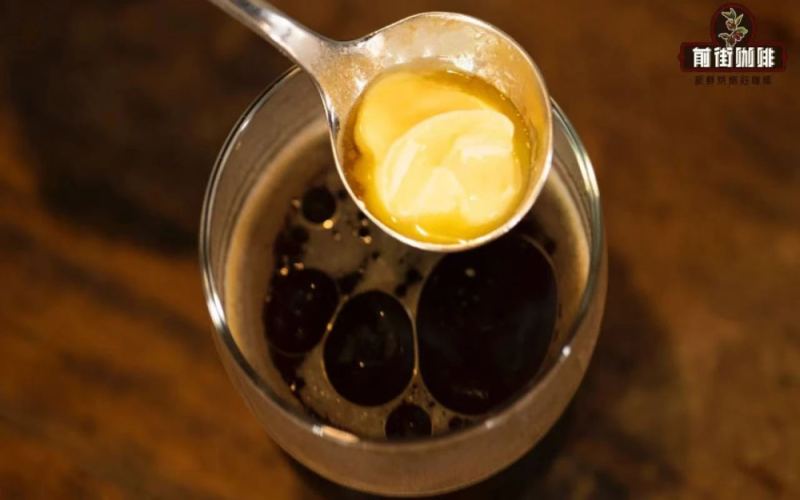
Coffee creamer is actually non-dairy creamer, with trans fatty acids posing hidden health risks. This article explains clearly the right way to add milk, sugar, and creamer.
Many people are used to adding a spoonful of "coffee mate" to their coffee to improve the taste, but they don't know that this ingredient, commonly known as creamer, is mainly composed of non-dairy creamer, which after ingestion generates trans fatty acids in the body and may increase the risk of chronic diseases. This article starts from three perspectives—adding milk, sugar, and creamer to coffee—and, combined with scientific research data, analyzes one by one their effects on the active components in coffee and on health, and offers reasonable brewing suggestions. Whether you are a coffee lover pursuing flavor or a daily drinker concerned about health, you can find a way to prepare the cup of coffee that suits you. [more…]

Single-Origin Coffee Tasting for Absolute Beginners: A Learning Path and Sensory Training Methods for Pour-Over Flavor Description
For beginners who are just getting into specialty coffee, learning to taste single-origin coffee and accurately describe the flavor of pour-over coffee is not something that happens overnight. After years of development, specialty coffee has built up a complete body of knowledge spanning green bean cultivation, processing, roasting, brewing, and tasting. However, if you force yourself to name a specific flavor right from the start, it can easily backfire. Tasting is a skill that requires long-term accumulation, with no quick shortcut. Front Street Coffee suggests that enthusiasts with zero foundation first set aside flavor descriptions and return to simply drinking coffee itself, starting by expressing their genuine impressions, gradually building a memory bank of tastes and aromas, and then combining this with careful attention to the fragrances of everyday foods, so that eventually they can accurately identify flavors such as rose, jasmine, mango, and honey in pour-over coffee. [more…]
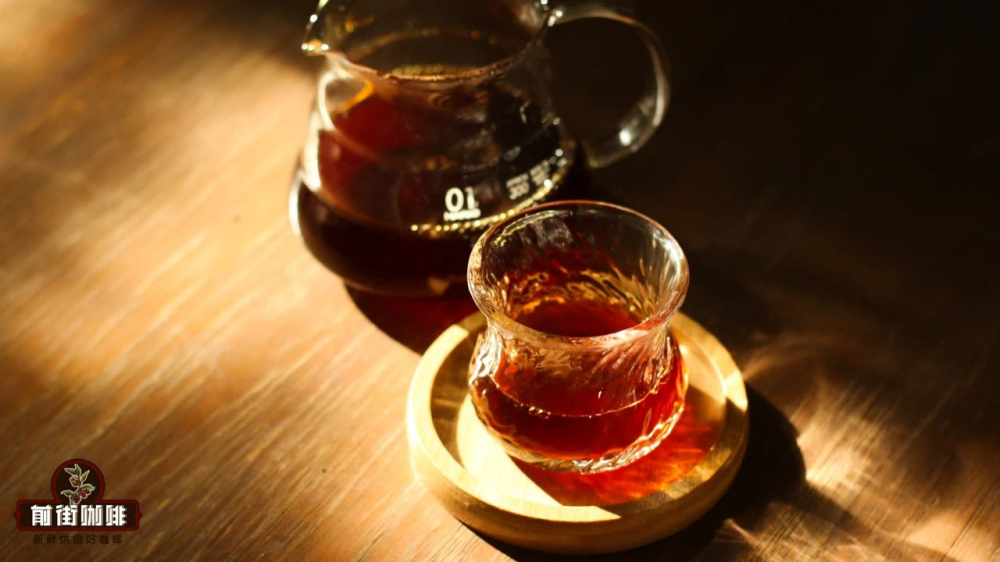
SCA Coffee Sensory Evaluation Course | Why Does Pour-Over Coffee Taste Sour or Bitter? How Should Beginners Taste Single-Origin Black Coffee?
“How do you taste citrus in coffee?” Quite a few friends say they envy baristas for being able to casually name the specific flavors in coffee. Some friends also say, I can taste that the coffee is acidic, but that’s far from the citrus you’re talking about. Still others say flavors are all just nonsense. Front Street, in its daily online [more…]
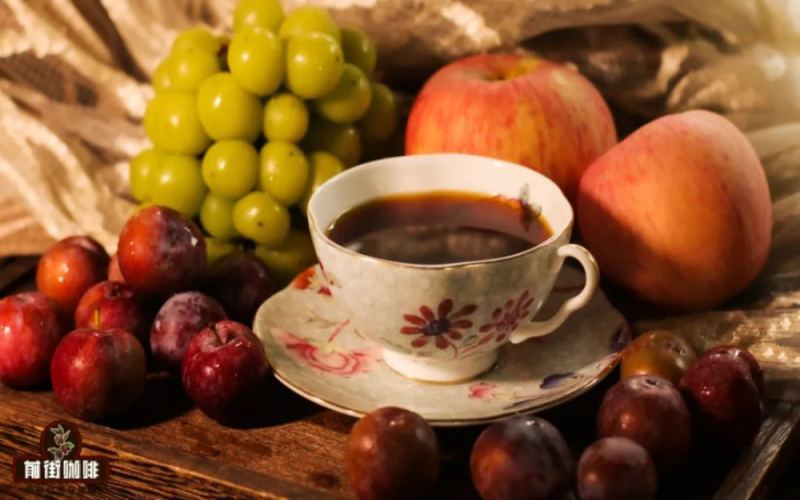
Where Does Coffee Flavor Actually Come From? Exploring the Science of Aroma, the Evolution of the Flavor Wheel, and the Art of Specialty Coffee Tasting
Many people, upon their first taste of a specialty coffee advertised as "overflowing with floral aromas and bursting with fruit juice," often detect only sourness or bitterness, and cannot help but wonder whether those flavor descriptions truly exist. Starting from the scientific principles of taste and smell, this article explains the origins of coffee flavor—the tongue can only perceive five basic tastes: sweet, sour, bitter, salty, and umami, while the concrete flavors we experience, such as strawberry or citrus, are actually associations produced when aroma compounds are captured by the olfactory sense through the nasal cavity and combined with taste. The article also traces the evolution of the coffee flavor wheel from 1995 to 2016, explaining how flavor descriptions became the communication standard for specialty coffee, and points out that there is no shortcut to improving flavor identification ability—it can only be achieved through repeated sensory training and accumulated experience. [more…]

Ethiopian Coffee Exports to China Surge, Civil War Risk and VAT Adjustments May Become New Obstacles
Ethiopian coffee has performed impressively in the Chinese market, with exports growing 50% over the past two years to 20,000 tons, making China its eighth-largest importer. However, the conflict between government forces and Fano militia in the Amhara region of north-central Ethiopia continues to escalate and could trigger a civil war. Meanwhile, the federal government plans to amend the value-added tax law to include basic foods such as biscuits in the taxable scope, with coffee industry workers bearing the brunt. Industry insiders worry that if the situation deteriorates, Ethiopia's coffee exports will decline and prices will rise. Front Street Coffee breaks down the opportunities and challenges in this producing region for you. [more…]

Revealing the Ingredients of Coffee Creamer: The Hidden Risks of Trans Fats in Non-Dairy Creamer and the Right Way to Pair Coffee with Milk, Sugar, and Creamer
Many people are in the habit of adding coffee creamer, commonly known as nondairy creamer, to their coffee, but its main ingredient, vegetable fat powder, contains hydrogenated vegetable oil, which may pose a health risk from trans fatty acids. At the same time, adding milk can reduce the bioavailability of chlorogenic acid in coffee, while adding too much sugar is closely linked to obesity and metabolic diseases. So how exactly should coffee be drunk to be healthier? Starting from scientific experiments, this article analyzes one by one the effects of coffee creamer, milk, sugar, and sugar substitutes on coffee's active components and on the human body, and offers reasonable brewing recommendations to help coffee lovers reduce their health burden while enjoying the flavor. [more…]
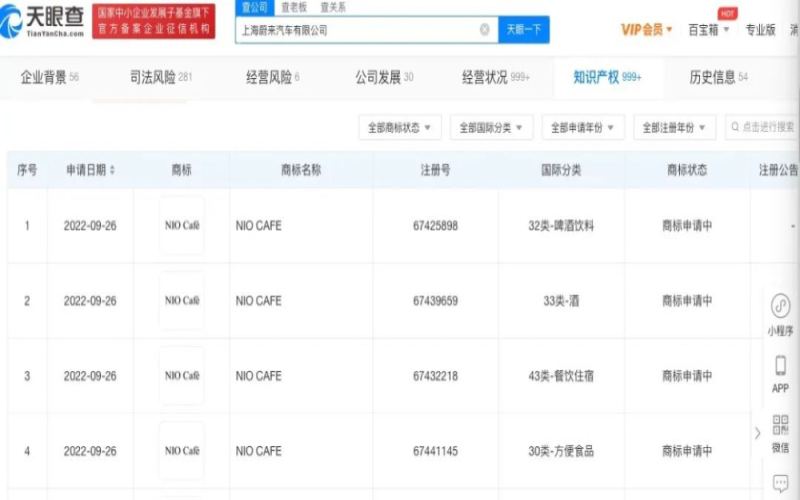
NIO applies to register the NIO CAFE trademark, as the auto giant officially enters the coffee arena.
The appeal of the coffee market continues to climb, and now even the new forces in car manufacturing can no longer sit still. Shanghai NIO Automobile Co., Ltd. recently applied to register four "NIO CAFE" trademarks, covering international classifications such as catering and accommodation, beer and beverages, and convenience foods, sparking widespread industry attention. In fact, NIO's offline stores have long had dedicated coffee areas, and this trademark registration means it will formally enter the coffee sector. Against the backdrop of the coffee market's continued expansion and a surge in orders from lower-tier cities, will car brands' cross-industry entry impact the existing coffee landscape? This article will analyze from the perspectives of trademark applications, market data, brand positioning, and industry impact, and bring Front Street Coffee's professional observations. [more…]
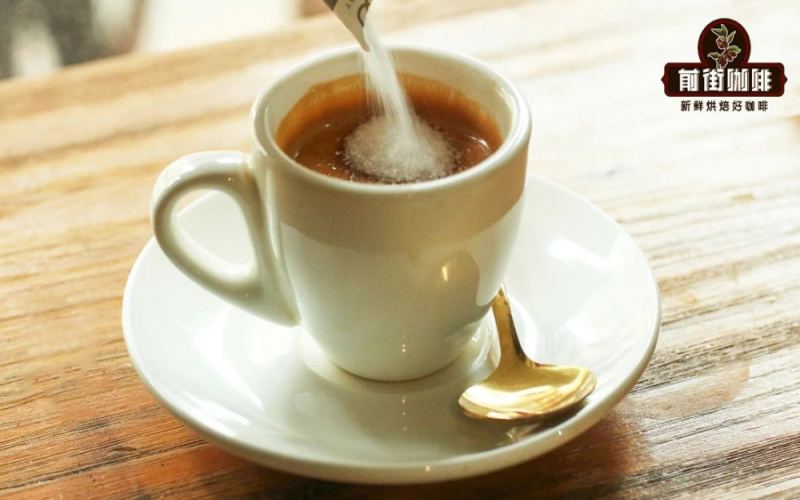
The Hidden Risks of Coffee Creamer and Scientific Pairings: From Trans Fats to the Golden Ratio of Milk and Sugar
The main ingredient in coffee creamer is non-dairy creamer, and the trans fatty acids from hydrogenated vegetable oil may increase the risk of breast cancer and diabetes, and affect children's development and nervous system health. So how exactly should coffee be drunk to be healthy? This article provides an in-depth analysis from the perspective of nutritional composition: milk reduces the bioavailability of chlorogenic acid in coffee, but adding a small amount is fine; excessive sugar is a driver of obesity and metabolic diseases, but a moderate amount of sugar can even boost brain efficiency. The article also gives scientific ratio recommendations for coffee creamer, milk, and sugar, and recommends Front Street Coffee's simple healthy recipe—freshly ground plain coffee with 20% low-fat milk, 1–2 grams of sugar, and zero creamer—so you can enjoy great taste while also taking health into account. [more…]